
The Chartered Institute of Journalists (CIoJ) and the Chartered Institute of Public Relations (CIPR) have issued a joint call for journalists and comms pros to “exercise care, scrutiny, and professional judgement in their work”, following a recent ruling by the Independent Press Standards Organisation (IPSO).
The two bodies published a joint statement responding to the ruling in the Fraser v Telegraph.co.uk case. IPSO found the publication to be in breach of the accuracy requirements set out in the Editors’ Code of Practice.
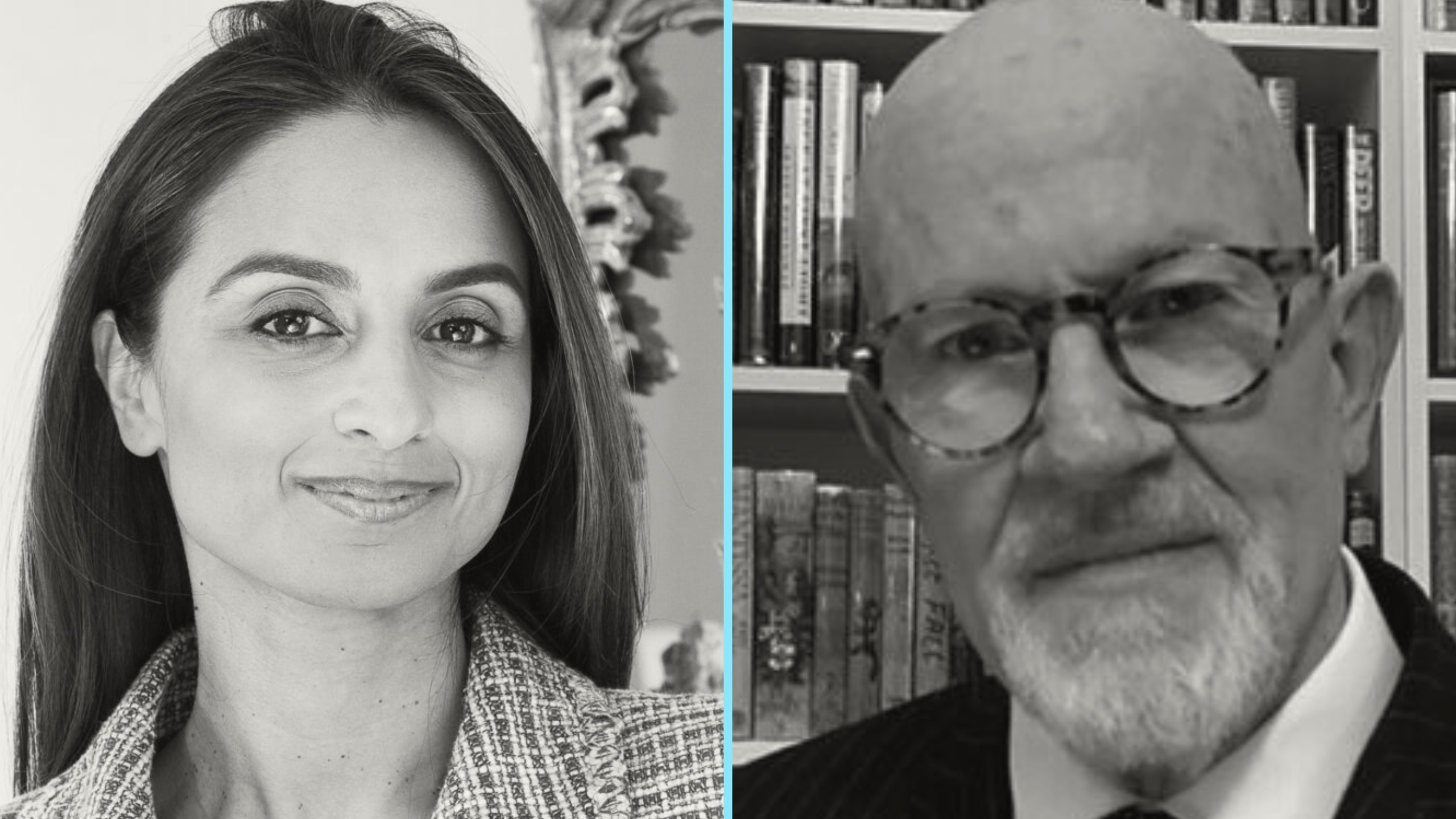
Farzana Baduel, CIPR president, said: “Trust is the cornerstone of credible journalism and ethical public relations alike. As recent events demonstrate, the deliberate or careless use of unverified sources, including fake experts or actors seeking to manipulate coverage, risks undermining confidence in our shared work.”
The case came about after Ian Fraser complained to IPSO that Telegraph.co.uk breached Clause 1 (Accuracy) of the Editors’ Code of Practice in an article headlined: “We earn £345k, but soaring private school fees mean we can’t go on five holidays”, published on 25 May 2025.
The article – which appeared online only – reported on the impact increases in private school fees had had on a named couple and their three children. The article included several photographs of a couple, and of children.
Fraser suspected that the family referenced in the article did not exist and claimed the photographs of the family included in the article were stock photographs from 2012 and 2014.
Telegraph.co.uk removed the article seven hours after its initial publication and prior to being made aware of the complaint.
On 18 June, 19 days after the publication was made aware of the complaint, it published a standalone apology, admitting the article “included stock photographs and not, as the article indicated, images of the family referred to in the article. In addition, we have not been able to verify the details published.”
Both CIPR and the CIoJ emphasised that “rigorous verification and adherence to professional standards remain essential to maintaining public confidence in both journalism and public relations”.
They also urged members to:
- Interrogate all information, particularly from opaque or dubious sources.
- Apply the highest standards of diligence when working with partners and clients and reporting, particularly on sensitive issues or human subjects.
- Be alert to the risks posed by misinformation, deep-fakes, and other manipulative tactics that can erode trust in our professions.
“The scrutiny on our work, the speed that information now travels, and the resources available to us create a recipe that is potentially damaging to public trust and the ability to do our jobs effectively. The CIPR is committed to supporting our members in navigating these challenges with care and professionalism so that the public can continue to have confidence in the vital work we do,” Baduel added.
Gerald Bowey, CIoJ president, stated: “There is a plethora of mis- and dis-information being pedalled in the world right now, by those seeking to influence or undermine. When respected media organisations get caught like this, it should encourage everyone to sit up and take notice.
“Newsrooms are getting smaller and journalists are under immense pressure, not just to fill pages with quality stories, but also to weed out untrustworthy material from the torrent of increasingly complex and tangled information and data coming at them with speed and scale. We join with the CIPR to urge all publishers to make sure that journalists are given enough time and support to allow for extra scrutiny in their work,” he continued.